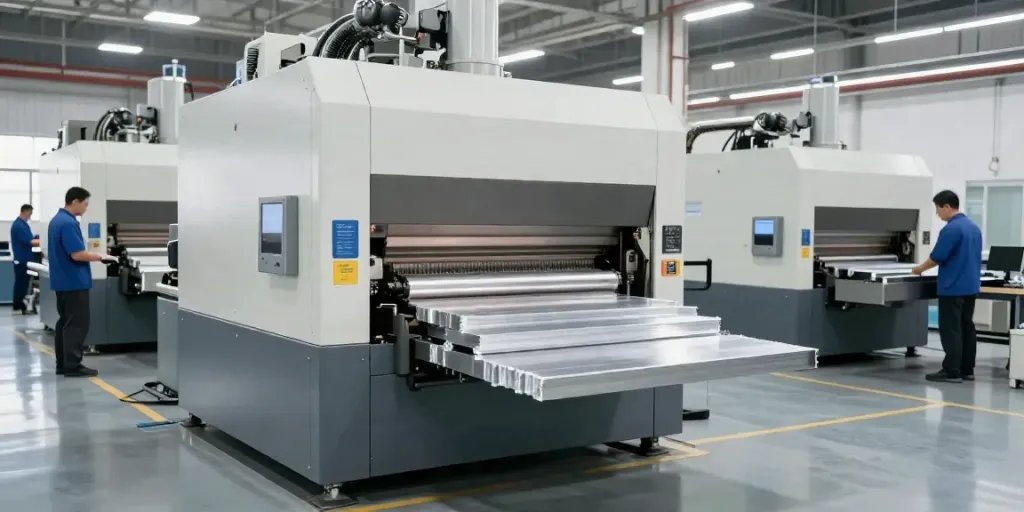
What is Premium Aluminum and Its Benefits?
Premium aluminum is a versatile and durable material widely used in various industries due to its strength, lightweight characteristics, and excellent corrosion resistance. As the demand for high-quality aluminum products rises, manufacturers like https://premiumalu.com/ stand at the forefront of delivering tailored solutions that cater to specific needs. Whether it's for construction, automotive, or consumer goods, understanding premium aluminum and its advantages is essential for stakeholders in these sectors.
Overview of Premiumalu Products
Premiumalu offers a diverse range of aluminum products, including aluminum sheets, bars, tubes, profiles, and coils. Their extensive catalog features various alloys such as 6061, 6063, 7075, and 2024, known for their specific properties suited for different applications. Available in customized dimensions, their products are aimed at meeting the precise requirements of clients while adhering to the latest industry standards.
Benefits of Using Premium Aluminum Alloys
- Strength-to-Weight Ratio: Aluminum alloys provide excellent strength while being considerably lighter than steel, making them ideal for aerospace and automotive applications.
- Corrosion Resistance: The natural passivation layer on aluminum provides superior protection against the elements, enhancing longevity.
- Easy Fabrication: Aluminum is easy to cut, weld, and machine, allowing for efficient manufacturing processes.
- Recyclability: Aluminum can be recycled repeatedly without losing its properties, making it an eco-friendly choice.
Applications of Premium Aluminum in Various Industries
Premium aluminum is utilized across a multitude of industries, confirming its importance in modern manufacturing. Key applications include:
- Aerospace: Structural components and skin panels.
- Automotive: Lightweight frames and body components.
- Construction: Windows, doors, and structural framing systems.
- Marine: Boat hulls and fittings due to its resistance to sea water.
- Consumer Goods: Kitchen appliances and electronics enclosures.
How to Choose the Right Aluminum Manufacturer
Choosing the right aluminum manufacturer is crucial for ensuring you receive high-quality products and reliable service. Here are some guidelines to assist you in selecting the ideal provider.
Criterias for Selecting a Trusted Provider
When evaluating potential aluminum manufacturers, consider the following criteria:
- Experience: Look for a manufacturer with years of industry experience and a proven track record.
- Technology: Ensure they utilize advanced machinery and processes for high-quality production.
- Customization: Verify their ability to provide tailor-made solutions to meet your specific needs.
- Communication: Gauge their customer service level and responsiveness to inquiries.
Evaluating Certifications and Standards
Certifications are a crucial indicator of a manufacturer’s commitment to quality. Look for ISO certifications (such as ISO 14001:2004 for environmental management and OHSAS 18001:2007 for occupational health and safety) as a sign of compliance with industry standards. Reputable manufacturers often undergo regular audits to maintain these certifications, ensuring their processes are safe and environmentally responsible.
Customer Reviews and Recommendations
Researching customer reviews and testimonials can provide valuable insight into a manufacturer’s reputation. Consider reaching out to other customers for references and feedback about their experiences. Reliable manufacturers will have a strong reputation backed by positive recommendations from previous clients.
Pricing and Cost Analysis of Aluminum Products
Understanding the pricing landscape of aluminum products is vital for budgeting and procurement. Factors that influence costs include:
Factors Influencing Aluminum Pricing
- Raw Material Costs: Fluctuations in the price of aluminum ore significantly affect final product pricing.
- Manufacturing Processes: The complexity and technology used in production can also impact expenses.
- Order Volume: Larger orders may benefit from bulk pricing discounts, while smaller orders may face higher unit costs.
Bulk Purchase vs. Low MOQ Options
When purchasing aluminum products, consider the trade-offs between bulk purchases and low minimum order quantity (MOQ) options. Bulk purchases often yield better unit prices but require higher upfront investment. Conversely, low MOQ options provide flexibility but may come at a higher cost per unit. Assess your project needs and budget to determine the best approach.
Hidden Costs in Aluminum Purchases
Be aware of potential hidden costs when negotiating aluminum purchases, which may include:
- Shipping and Handling: Understand any delivery charges or logistics fees associated with your order.
- Custom Duties and Taxes: If importing aluminum, consider tariffs that may apply based on country of origin.
- Tooling and Setup Costs: Custom profiles may incur additional costs for molds or tooling setup.
Understanding Aluminum Production Processes
To appreciate the quality of aluminum products, it is essential to understand the various production processes involved. This knowledge can help you make informed decisions when selecting a manufacturer.
From Raw Material to Finished Product
The production of aluminum begins with bauxite ore, which undergoes several refining processes to produce alumina. The alumina is then electrolyzed to produce primary aluminum metal. This metal can be further processed into various shapes and sizes using techniques such as extrusion, die-casting, or rolling.
Common Production Techniques Explained
- Extrusion: This process involves forcing molten aluminum through a die to create long shapes like bars and profiles.
- Rolling: Aluminum slabs are passed through rollers to create sheets and foils of various thicknesses.
- Die-Casting: This involves pouring molten aluminum into molds to create intricate parts for a variety of applications.
Quality Control Measures at Premiumalu
Quality control is a critical aspect of aluminum manufacturing. At Premiumalu, stringent quality measures ensure that every product meets or exceeds customer expectations. This includes periodic inspection throughout the production process, adherence to international standards, and rigorous testing of the physical properties of the aluminum output.
FAQs about Premium Aluminum
What Are the Key Alloys Offered by Premiumalu?
Premiumalu specializes in a variety of aluminum alloys tailored to meet different application needs. Key alloys include:
- 6061: Known for its good mechanical properties and weldability, commonly used in structural applications.
- 7075: Renowned for its high strength, often used in aerospace components.
- 5052: Excellent formability and corrosion resistance, ideal for marine applications.
- 2024: High strength with good fatigue resistance, suitable for military and aerospace applications.
What Is the Lead Time for Bulk Orders?
The lead time for bulk orders can vary based on production schedules, order complexity, and the current demand. Typically, customers can expect a lead time of 4 to 8 weeks from order confirmation to delivery for standard products. For customized orders, the lead time may be longer, depending on specifics.
How Does Premiumalu Ensure Product Quality?
Premiumalu ensures product quality through a multi-faceted approach that includes rigorous testing of materials, adherence to international quality standards, and comprehensive inspections at various stages of production. This commitment to quality allows clients to receive reliable products tailored to their specifications.